About four weeks and a few days ago on a Friday, my wife and I drove to another city to take care of my mother in the ER of a hospital. She was there for something other than Covid. By the end of the day when we left, she had a test come in positive for Covid. That was on a Friday.
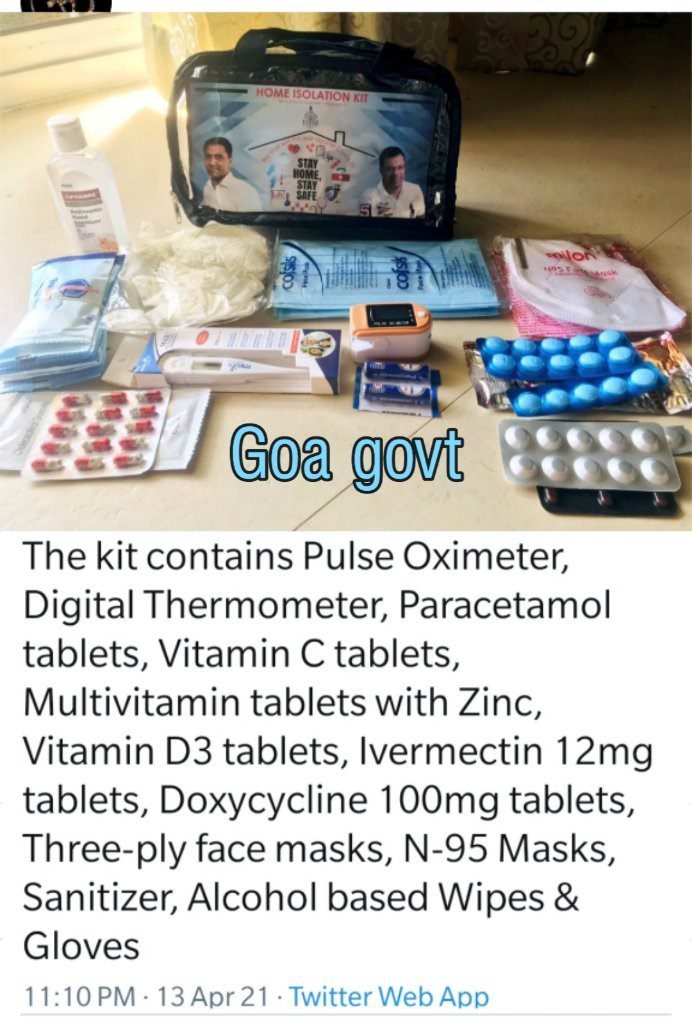
By Monday I started suspecting that I was very sick, and I got on Ivermectin early on. Tuesday my wife and I took a Covid test, and it was positive. I didn’t need a test. I knew.
Tuesday was the day I wanted to die. It was the worst day of the bout. My kidneys ached and hurt and I just suffered back pain along my kidneys like I had never experienced. Apparently, there is a lot of stuff produced from this disease that your body is having to expel. This disease leaves behind an enormous amount of biological trash for your body to take out.
Wednesday I was a bit better, and Thursday just a bit better. Coming back from this is a slow process. By day ten or so, while I was dealing with a lot of head congestion and still coughing a bit, I had essentially beaten the bug. Or so I thought.
My coughs weren’t frequent, and they were always productive. I never went into coughing fits. But this was just the first stage of the disease. The second one begins around day 10 – 12. It’s the inflammatory stage of the disease. The tendency and temptation is to think you’ve beaten it and stop your treatment protocol.
That’s a mistake. Don’t do that. I did for a couple of days and regretted it. I just about took a sharp left turn and got back on my treatment protocol.
Here’s another mistake. I’ve lifted weights ever since being on the power lifting team at Clemson. I tried to go back to the gym too early. I was doing resistance exercises at day ten of the disease. Don’t do that. If you get Covid (I should say when you get Covid, not if), your body is trying to fight the disease. It doesn’t need to repair muscle fibers too.
I’m still in the gym, but I do it just a little less frequently now, maybe three days per week. I’ve always walked, but I changed my routine up to preferentially walk instead of lift weights. I walk now two or three times per day, at least a mile each time. A brisk walk in the cold night air was always beneficial for me, clearing my lungs and head almost immediately.
My treatment protocol was as follows.
Heavy Vitamin C
Heavy Vitamin D
Heavy Zinc / Copper (the Zinc can’t be absorbed without Copper).
Frequent (two or three or even four times per day) Sodium Bicarbonate nasal wash. I hate it, I’d never done it before, but listen to me for when you get this disease. There is no substitute for a sodium bicarbonate sinus wash. There is no other way to rid your sinuses of this crap. This was an indispensable part of my treatment protocol.
And finally, Ivermectin
Also listen to me on this for when you get this disease. Do not wait to find IVM. Get it now. Do not delay. You absolutely must jump on top of this disease with both feet. Delays may be deadly for you.
Now I’m in the third phase of the disease. Getting my stamina back. Like I said, I still do resistance exercises, I just don’t have the endurance or wind I did before this. It’ll come back gradually. Last Saturday was the first day in four weeks I got out of bed and said, “I feel great today!”
Michael Yon sent this out yesterday.
Important note that just came in: Military medical professional just told me to stock up on HCQ. Source said we gonna need it 2-3 months from now. Get now. (Remember in January 2020 when I said this would happen to grocery shelves. Just do it on HCQ. Get your HCQ now. I we are wrong, you are out a few dozen dollars and I apologize in advance. Got to keep my readers alive — y’all keep me fed and operating).
I believe him, and I have IVM in the house (I will never be without it – that’s the degree to which I’m a believer in it). But I don’t know how to get HQC.
Here’s a caution. IVM can screw up your gut bacteria (it did with my wife), and she is having to restore it with probiotics. Just be aware that this can occur and be prepared to deal with it. That didn’t happen to me.
For readers. Let us know if you come down with this disease. We can add you to the prayer list. I have to say, Fauci has created a bad bioweapon. It was wicked of him to do so. He is a servant of Lucifer.
You can beat it, but you must use the proper protocol (except for those who for whatever reason do not seem to be affected by it). Disclaimer: I am not a medical professional, and YMMV.
Here’s a sad fact. You might have read reports of a man who was in the hospital with Covid and the hospital refused IVM to him, his family going to court to press the hospital into giving him this life saving treatment? Do you recall that report?
Yea, well the court refused, and he passed away. He was a friend of mine and a good and Godly man.